
Handling the Complex Nature of Property Management Accounting
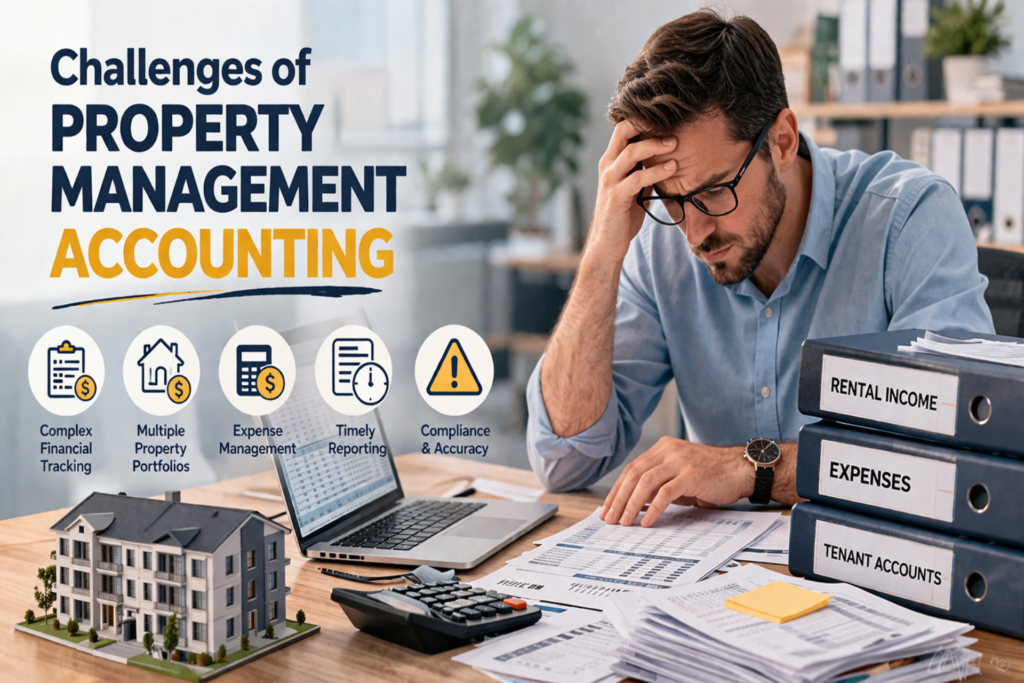
Table of Contents
Intro
Property management accounting is often underestimated by those outside the industry. At first glance, it may seem like a straightforward extension of general bookkeeping—tracking income, recording expenses, and reconciling accounts. In reality, it is significantly more complex and time consuming. Property managers must navigate a web of financial responsibilities that go far beyond basic accounting tasks, all while maintaining strict compliance with legal, contractual, and fiduciary obligations.
Management Fees and Billable Expenses
One of the primary reasons property management accounting is more complicated is the need to calculate and allocate various types of fees based on management agreements. Unlike standard businesses with fixed pricing models, property managers often operate under customized contracts with each property owner. These agreements may include management fees calculated as a percentage of rent collected, leasing fees, renewal fees, cleaning charges, and billable maintenance expenses. Each of these must be accurately calculated and applied according to the terms of the contract. Even small errors can lead to disputes with property owners or tenants, making precision essential.
Security Deposits
Another layer of complexity comes from handling rental security deposits. These funds are not simply income—they are liabilities that must be tracked separately and handled in accordance with state laws. Determining which general ledger accounts to use, when to record deposits, and when to release or apply them requires a clear understanding of both accounting principles and legal requirements. Mismanaging security deposits can result in serious compliance issues and financial penalties.
Lease Tracking
Lease tracking adds yet another dimension. Each lease represents a legally binding agreement with specific financial terms, including rent amounts, due dates, escalation clauses, and renewal conditions. Property management accounting systems must align closely with lease data to ensure accurate billing and reporting. When managing multiple properties with dozens or even hundreds of leases, keeping everything synchronized becomes a significant operational challenge.
Trust Accounts
Trust accounting further complicates matters. Property managers are often required to hold funds in trust on behalf of property owners, meaning those funds must be kept separate from the company’s operating accounts. This includes rent collections, security deposits, and sometimes owner reserves. Trust accounts must be carefully reconciled, and every transaction must be fully traceable. Errors in trust accounting are not just bookkeeping mistakes—they can be considered breaches of fiduciary duty.
Owner Reserves
Owner reserve accounts are another unique feature of property management accounting. These accounts hold funds set aside for future expenses such as repairs, maintenance, or emergencies. Tracking these reserves accurately is critical, as they directly impact both property operations and owner distributions. Property managers must ensure that reserves are maintained at agreed-upon levels while also providing transparency to property owners.
Owner Reports
Monthly owner reporting is a core responsibility that requires both accuracy and clarity. Property owners expect detailed financial statements that outline income, expenses, fees, and net distributions. These reports must be timely, easy to understand, and fully aligned with the underlying accounting records. Generating these reports often involves consolidating data from multiple sources and ensuring that all transactions have been properly categorized.
1099’s
At the end of the year, the complexity continues with tax reporting requirements, particularly the preparation of 1099 forms for rent paid to property owners. This process requires accurate tracking of payments throughout the year, proper classification of income, and compliance with IRS regulations. Mistakes in 1099 reporting can lead to penalties and create complications for both the property manager and the owner.
Short-Term Rentals
Short-term rentals introduce an additional layer of accounting complexity that many property managers underestimate. Unlike long-term leases, short-term rentals often fall under hotel or lodging tax rules, meaning that many states and local jurisdictions impose sales tax, occupancy tax, or transient lodging taxes on each booking. Accurately tracking, calculating, and remitting these taxes requires careful attention to constantly changing regulations across different locations.
The challenge is compounded by the use of multiple booking platforms such as Airbnb, VRBO, and others, each of which may handle tax collection and reporting differently. Some platforms remit taxes on behalf of the property manager in certain jurisdictions, while others do not, leaving gaps that must be manually reconciled.
There’s also the matter of having to pull rental data and reports from multiple different sources to then enter or upload into a single accounting software. Learning and keeping track of the different reporting formats and reconciling to your general ledger can be a pain.
Conclusion
Given all these moving parts, it becomes clear why having a competent and knowledgeable accountant is essential in property management. This is not an area where general bookkeeping experience is enough. A qualified accountant understands the nuances of trust accounting, the importance of contract-based fee structures, and the regulatory requirements that govern the industry. They can implement systems and controls to ensure accuracy, reduce risk, and improve efficiency.
More importantly, a skilled accountant provides peace of mind. Property managers can focus on operations, tenant relationships, and growing their portfolio, knowing that the financial side of the business is being handled correctly. In an industry where errors can quickly escalate into legal or financial problems, that level of confidence is invaluable.
In short, property management accounting is a challenging discipline that demands attention to detail, regulatory knowledge, and a strong grasp of both accounting principles and real estate operations. Treating it like standard bookkeeping is a mistake—one that can be costly. Investing in the right expertise is not just a smart decision; it is a necessary one for long-term success.
If you find that your property management business needs someone to take charge of the bookkeeping, serve as a part-time controller, or to improve reporting and analysis, reach out to AccountAlytix here.